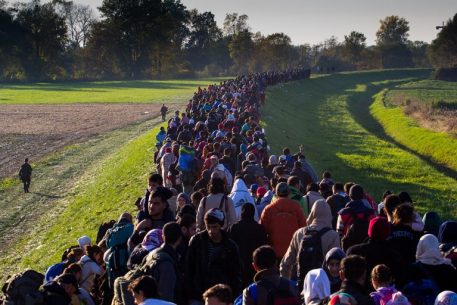
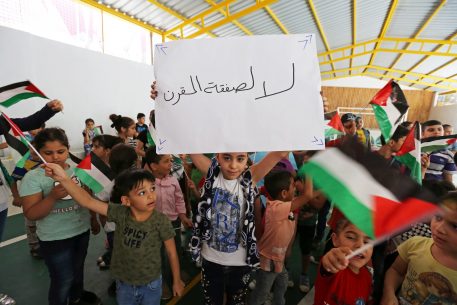
Concebidos para acoger temporalmente a quienes huyen de los conflictos, los campos de refugiados se transforman en entidades urbanas donde sus residentes tratan de reconfigurar su vida.
La arquitectura de la acogida de refugiados requiere un enfoque que aúne movilidad, dignidad y respeto, pero también ecología, rapidez de instalación y reciclaje de la construcción.
During the last decade, the issue of migrant and refugee arrivals on European shores in the Mediterranean has undoubtedly been a constant key topic on European political agendas, as well as in the media and as a civil society concern.
The Mediterranean has long been a major migratory region, but the factors responsible for this mobility have gradually become more diverse.
There is no doubt that what has been termed the migration or refugee crisis in Europe has been framed in the public and media discourse as the defining phenomenon of the second decade of the 21st century.
The “Western Balkan route” became a well-known term for public debates throughout the EU. With the EU-Turkey deal in March 2016, the number of migrants passing through the Western Balkans has been significantly reduced.
The largest refugee crisis since the Second World War became a major challenge for the EU in 2015. The crisis is far from over and the need for managing the difficult tasks seems to be interconnected with a political crisis in the EU.
The push factors of an economic nature are key behind the phenomenon of Arab Mediterranean youth migration. However, the desire to migrate does not depend on the education level and the (un)employment of the young people.
The year 2015 was a serious stress test for the stability and cohesion of the European Union. The so-called refugee crisis revealed several divisions within the EU, and disclosed certain limitations of the European project.
As the stream of refugees continues, so does the pressure to mediate integration between the local and the incoming populations. Host countries differ in their response strategy and policies.
The convergence of asylum policies among EU member states and the development of a fairer asylum system for all cannot be effectively implemented without the creation of safe and legal routes, humanitarian visas and better reception conditions across...
The reduction of incentives for irregular migration should not be unilaterally led by Europe and should not ignore the causes of this migration and the protection of rights that are applicable to migrants.
Sign up for our newsletter and be up-to-date with upcoming events and latest publications.
Please, choose language:
English Spanish Catalan French
This will close in 0 seconds