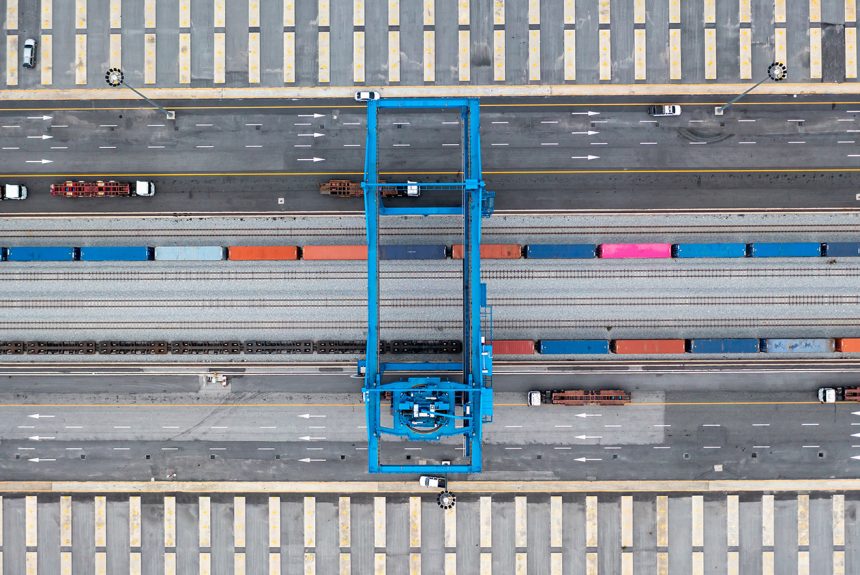
This Policy Study by IEMed and CETMO aims at giving response to the challenges posed by climate change in the region and how the transport sector can counter it and adapt to it through digitalisation, the transformation and connection of transport wi...
Political leaders have always been aware, and increasingly so, of the importance of water in the Euro-Mediterranean context and the need to tackle it at the regional level, albeit with ups and downs.
. In addition to having water unevenly allocated in space and time both regionally and within countries, the situation is further exacerbated by intense demographic changes.
With significant natural resources and infrastructures of demonstrated reliability, Algeria exports approximately 65 billion m3 (bcm) of natural gas per year.
The international energy context of the past few years, marked by geopolitical tension and the uncertainty of energy supply security, has strengthened European resolve to foster dialogue in the Mediterranean Basin.
The region only has three oil exporting counties –Algeria, Libya and Syria. Egypt used to be part of this group although as a minor exporter.
Due to its geographical location, the Mediterranean region is one of the areas in the world that is most vulnerable to climate change.
Freshwater plays a pivotal role for sustainable development in the Mediterranean region. Water in the region is unequally distributed both in time and space.
El crecimiento de los mercados de gas existentes (Argelia), nuevos (Túnez) y futuros (Marruecos) depende de los operadores públicos históricos y del Estado.
Se prevé que la demanda energética en los países del Mediterráneo aumente un 120%, como consecuencia del crecimiento demográfico y económico.
Dada su dependencia del petróleo y gas, EE UU quiere ampliar la cooperación energética con los productores del Golfo Pérsico, Rusia, Latinoamérica y África.
Argelia: la nueva ley de hidrocarburos que restringe laparticipación extranjera y la alianza con la rusa Gazprom son motivo de preocupación para las empresas europeas.
Argelia y Marruecos están entre los nueve mercados prioritarios elegidos por la administración española para impulsar la expansión internacional de sus empresas.