
The Iran War: Questions Shaping a New Middle East
18 March 2026 | News
The escalation triggered by the United States and Israel’s attack on Iran is rapidly expanding into a broader regional crisis with far-reaching consequences. From the Gulf to Lebanon, the conflict is raising new risks of military escalation while putting pressure on global energy markets, trade routes and regional stability.
Beyond the battlefield, the crisis is opening a series of strategic questions: the role of Gulf Cooperation Council (GCC) states, Israel’s confrontation with Hezbollah in Lebanon, the economic and energy implications of the conflict, and its humanitarian consequences, including displacement and potential new migration flows. It also raises important questions about the role of external actors — including the European Union — and the future of European foreign policy in the Middle East and North Africa.
This series brings together expert analyses to examine the key uncertainties shaping the evolution of the conflict and its wider regional and global implications.
The Gulf in the Crossfire: Strategic Consequences of the Iran War
Sara Bazoobandi, Non-resident Fellow at the Institute for Security Policy at Kiel University, explores how the war is affecting the GCC countries and the possible scenarios they may face as the conflict unfolds.
According to her, “the Gulf states now face a stark and unwelcome choice: deeper integration into a US-led war posture they tried to avoid, or a continued exposure to Iranian coercion that their own populations and economies cannot indefinitely absorb.”
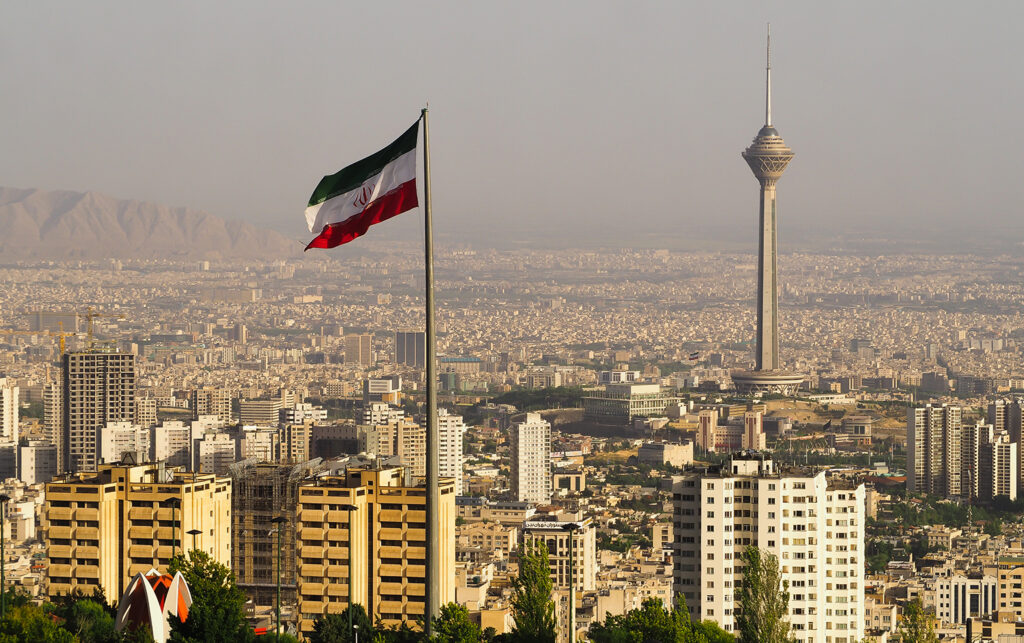
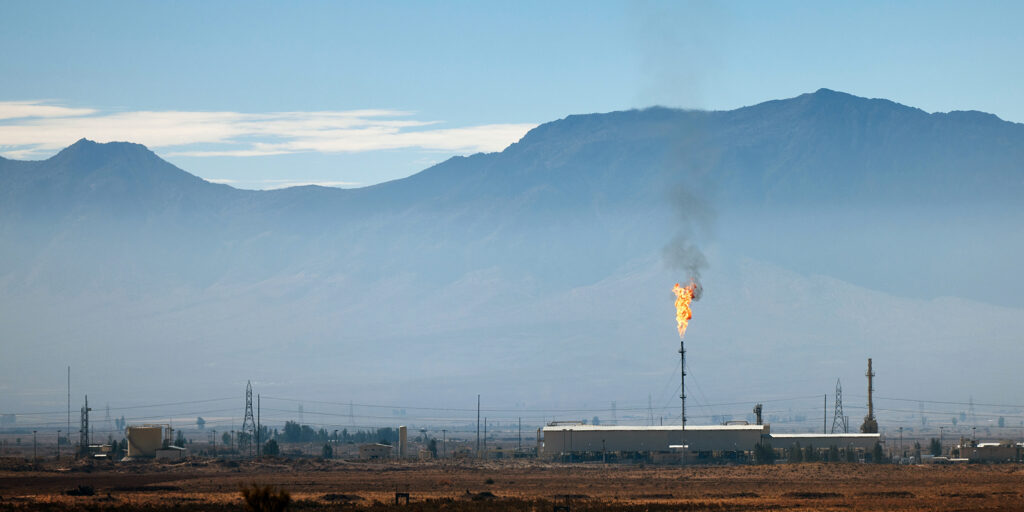
The Iran War and How the World Sleepwalked into an Energy Crisis
Ignacio Urbasos, energy expert, analyses how the conflict has quickly evolved into an energy crisis and draws possible future energy scenarios.
According to him, “The consequences of the Iran war escalation are profound and very worrying for the global economy.”
The Iran War’s Indirect Shockwaves in the Mediterranean Maghreb
Youssef Cherif, Director of the Columbia Global Center Tunis, analyses how the Iran war is already reshaping the North Africa’s political economy.
He states that “among the four states of the Mediterranean Maghreb — Libya, Tunisia, Algeria, and Morocco— the effects will be uneven” and looks at the economic exposure of these countries, their diplomatic ties with the Gulf states and US, and the opportunities that can be seized by both the region’s countries and Europe.
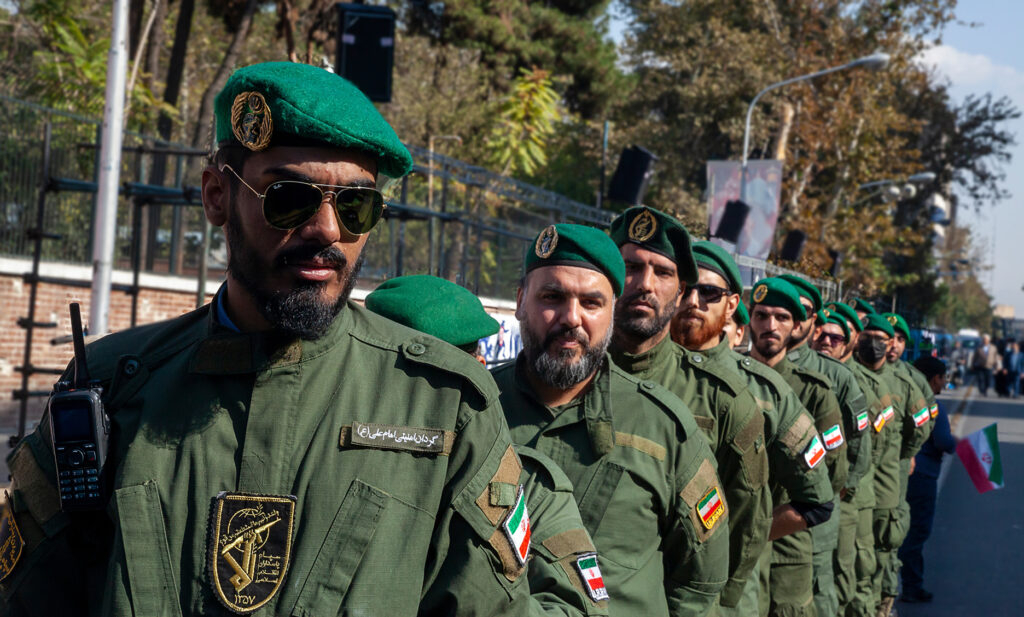
The Islamic Republic of Iran in Transition: Toward a Security State
Wendy Ramadan-Alban, Postdoctoral Fellow at EHESS (Paris), analyses how the wars of 2025 and 2026 against Iran have drastically accelerated the erosion of the Islamic Republic of Iran’s (IRI) revolutionary identity.
According to her, Iran’s transformation into a security state raises questions about its future implications for international relations.