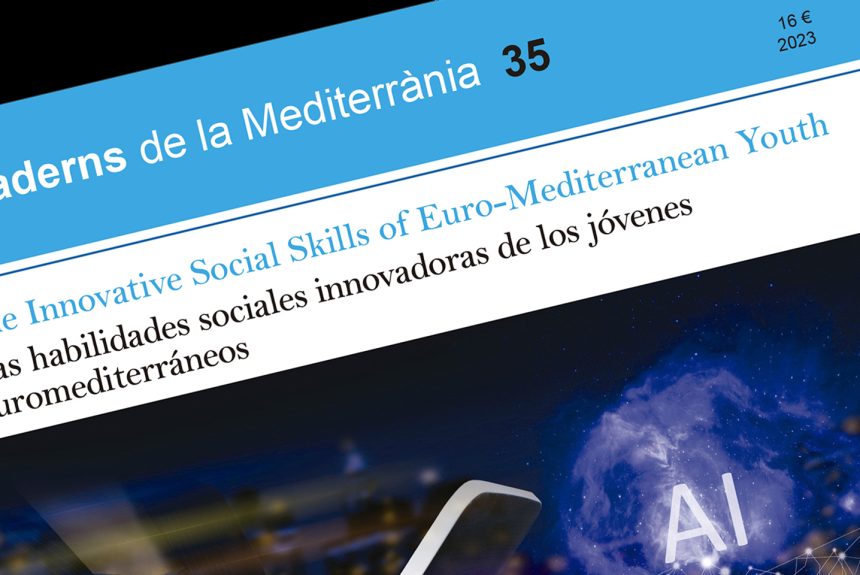
Introduction to the QM35 issue by Maria-Àngels Roque, Editor-in-Chief of the journal.
MENA’s cultural and natural geographies make it one of the most dynamic tourism regions in the Mediterranean basin. These assets together create a region with unmistakable tourism appeal.
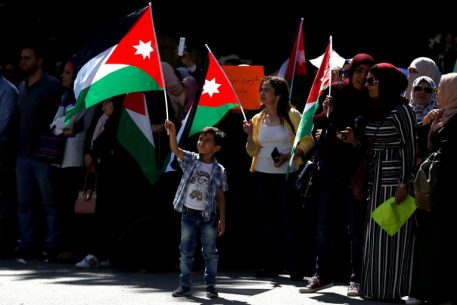
Resistance movements in the Middle East and North Africa have assumed a unique social, political, and cultural character due in large part to the authoritarian and repressive contexts of many regimes and societies in the region.
Cultural heritage, as an object, is subject to diverse and contradictory functions in our societies.
In 2017, after the death of Mohsen Fikri, a Rifian fishmonger from Al Hoceima, a protest movement began to emerge both inside and outside Morocco.
In the Maghreb, civil society associations are one of the main actors of diversity and pluralism.
In a globalised world context, in which the audiovisual industry plays a predominant role, it seems crucial for the Mediterranean peoples to develop their own audiovisual production structures.
En Algérie, depuis le début de 2019, le mouvement Hirak, issu de la société civile, a bouleversé la scène politique.
Despite the various difficulties and prohibitions they have endured over the centuries, the survival of the Sufi communities has been possible thanks to their open and inspiring.
All Mediterranean cultural dialogue is today condemned to failure because of the exclusionary, communitarian narratives and reverberating monologues, which are a common plague to the North and South shores of the Mediterranean.
Si aujourd’hui la géographie humaine semble répartir grosso modo l’espace mauritanien en un nord arabo-berbère et un sud négro-africain, les découvertes archéologiques ainsi que les traditions orales remettent en question cette vision.