Covid-19 brought to the surface many structural vulnerabilities in the Western Balkans, a European periphery marked by its weak economies and inefficient and underfinanced healthcare and social welfare systems.
The EU’s enlargement policy has been in permanent crisis since the autumn of 2019.
Over the last 30 years, the Mediterranean Basin has witnessed countless initiatives to promote dialogue and cooperation between both shores of the Mare Nostrum.
Even for the standards of a conflict-ridden place such as Cyprus, the period between May 2020 and May 2021 can hardly be described as a good one.
Today, Libya is filled with talk of elections, anxiety over political misconduct and the tentative hope of a reconciliation process.
Tunisia's young democracy has quickly run out of steam in less than a decade. Yet it has achieved some undeniable feats in just a few years.
After a high-profile trial that lasted over five years, a Greek court ordered Golden Dawn’s leader Nikolaos Michaloliakos and many former members of the party to begin serving their prison sentences.
The year 2021 in Morocco has been dominated by two trends that have characterized Moroccan policy for the last decade: the entrenchment of the monarchy and a more aggressive and confrontational foreign policy.
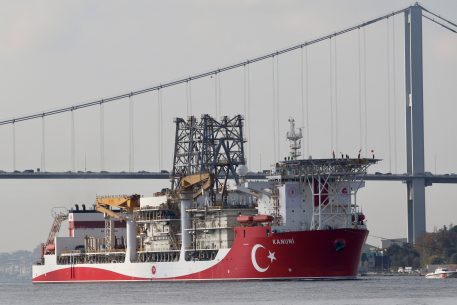
Right now there is an opportunity both for applying democratic conditionality and also for coming up with innovative proposals to multilateralize Turkey’s moves in the region.
What makes the Algerian situation so particular is its constant evolution, rendering it difficult to determine its final trajectory.
After over two years without a stable government, Israel’s 36th government was sworn in on 13 June 2021. The unity government will have two alternating prime ministers.
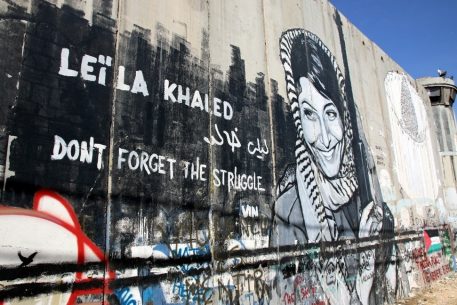
The Covid-19 pandemic was not a fruitful period for the PA. In addition to all the fingers pointing to what has been called “healthcare apartheid,” some experts accused it of failing to respond quickly and effectively.