


Building Real Marine Protection in the Mediterranean
5 November 2025. From 18:00 To 19:30 | Conference | English | Spanish | Palau Macaya, Barcelona
The Mediterranean is recognised as a global biodiversity hotspot—the second most important in the world. Although it accounts for less than 1% of the planet’s ocean surface, this small semi-enclosed sea is home to 11% of all marine species, 20 to 30% of which are endemic. This extraordinary biodiversity plays a vital role in human health, lifestyles, food production, and natural resources, contributing to the well-being of communities and the sustainable development of coastal areas.
However, this biodiversity is particularly vulnerable to human pressures linked to the rapid development of coastal zones. Posidonia seagrass meadows have become a powerful symbol of this endangered biodiversity. Endemic to the Mediterranean, Posidonia provides an essential refuge for marine life—supporting more than 20% of marine species—and is among the world’s most effective carbon sinks, capable of capturing up to one tonne of CO₂ per square metre. Yet, over the past 50 years, 34% of Posidonia meadows have been lost.
Yassine Ramzi Sghaier is committed to protecting this “green lung” of the Mediterranean, particularly through the creation of marine protected areas—the most effective tool for safeguarding the region’s marine biodiversity. Ramzi is a marine biodiversity scientist and passionate conservationist working with the Specially Protected Areas Regional Activity Centre (SPA/RAC) of the United Nations Environment Programme’s Mediterranean Action Plan. From mapping seagrass meadows to designing cross-border marine protected areas (MPAs), Ramzi plays a key role in ensuring that conservation efforts move beyond paper parks into real, lasting protection. He also coordinates the ecosystem approach and the Integrated Monitoring and Assessment Programme (IMAP), helping Mediterranean countries monitor biodiversity and achieve Good Environmental Status through rigorous ecosystem assessments. A certified professional diver, Ramzi teaches scientific diving to students, promoting precise underwater research. In 2023, he co-founded the TunSea Association to promote participatory science in Tunisia and engage citizens in the fight to preserve marine biodiversity. For Yassine, safeguarding the sea is both a scientific mission and a lifelong passion rooted in childhood wonder and a deep belief in collective action.
Fourth session of the Med Dialogues + 2030 5th edition.
At the Palau Macaya, Pg. de Sant Joan, 108, Barcelona.
Free entrance with prior registration.
Speakers

Yassine Ramzi Sghaier
Marine Biodiversity Expert UNEP/MAP – SPA/RAC. Co-founder and President of TunSea – Tunisia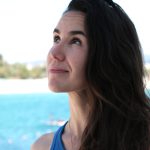
Co-organised by


With the collaboration of
