



Turkey, new scenario after the elections
8 June 2015 | In the Media
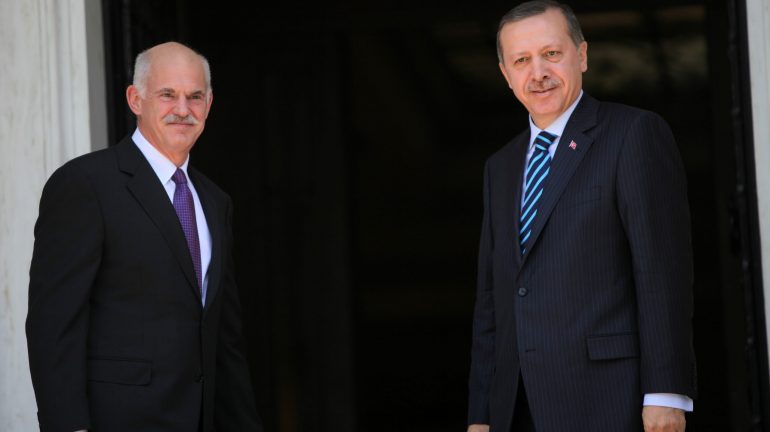
Turkish President Recep Tayyip Erdogan has seen his political formation, the Justice and Development Party (AKP), win this Sunday’s general election with 41% of the vote. However, the entry into parliament of the People’s Democratic Party (HDP), secular and pro-Kurdish, will prevent him a priori from having the qualified majority he longed for to change the Constitution and expand presidential powers.
Javier Albarracín, director of the area of Socioeconomic Development of the IEMed and expert in Turkey, stresses that, in addition to curbing Erdogan’s aspirations, it is a very important fact that the HDP has managed to bring together both the Kurdish electorate as the most progressive sectors of the population. “It can help smooth the peace process and end the traditional ‘either Kurdish or Turkish’ dichotomy.”
In an interview this morning on Radio 4 (RNE), Albarracín argued that after years of inclusive economic growth and seven won elections, Erdogan believed he was legitimate to carry out any measure without political hindrances and with initiatives with a clear Islamist accent. But the loss of popular support now calls into question his plans and form of government. In fact, Albarracín said that the government’s crackdown on protests in Gezi Park in 2013 was a clear example of the erosion that Turkish democracy had been suffering.
Turkey before the EU
In the opinion of the IEMed analyst, Ankara today has no incentives to open negotiations on European integration, just as there is no real European interest in opening the Turkish dossier. However, Turkey is vital to Europe because of the flow of gas from Iran and key in the transit of illegal migrants seeking to enter European territory. Both factors predict that the dialogues between the European Union and Turkey will be maintained, albeit strictly limited to migration and energy issues.
The fight against IS
Ankara’s reluctance to join the fight against Islamic State responds to internal security reasons, as the Turkish government fears that greater involvement will activate dormant jihadist cells in its territory.