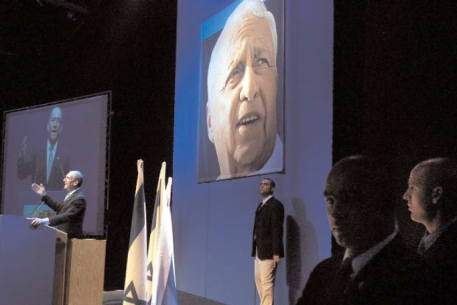
Entretien sur la situation à Gaza et au Proche-Orient avec Mutaz Qafisheh, professeur de droit international à l'université d'Hébron.
A relevant part of the EU citizens observe with mistrust the possibility that Turkey may one day become a full member of the Union.
It appears self-evident in Turkey that the European Union is the final destination that the country is moving towards.
In 2005, the EU launched a Strategy for Africa: an ambitious plan to support Africa’s development, both south and north of the Sahara.
Según el profesor Chérif, aunque el núcleo económico y tecnológico se haya desplazado hacia el Pacífico, el Mediterráneo sigue siendo el lugar donde se juega el futuro del mundo.
Su democracia y los resultados de sus políticas económicas y sociales deberían servir de modelo para Marruecos; por contra, su cooperación bilateral está disminuyendo.
All roads led to Barcelona at the end of November 2005. The Euro-Mediterranean community assembled in this historic city for the Partnership’s first ever Summit.
Desde la presidencia de una institución centrada en los problemas euromediterráneos, Jean-Louis Guigou quiere contribuir a la búsqueda de soluciones pragmáticas.
El petróleo, la campaña de ‘democratización’, la guerra contra el terrorismo y el ‘lobby’ judío, factores que marcan la política exterior americana en la región.
Para evitar que el proceso de paz entre en una fase de violencia es necesaria la actuación consensuada del Cuarteto y de países como Egipto, Turquía, Marruecos o Jordania.
Por primera vez en tres décadas, el país se enfrenta solo a su futuro. Hay que esperar que,a pesar de los riesgos,no se vea arrastrado a las violencias regionales.
El país, pionero en las reformas educativas, debe dar nuevos pasos si quiere alcanzar sus dos objetivos: mejorar la calidad de la enseñanza y evitar la fuga de cerebros.
Sign up for our newsletter and be up-to-date with upcoming events and latest publications.
Please, choose language:
English Spanish Catalan French
Ceci fermera dans 0 secondes