



Terrorist attack in Tunisia
19 March 2015 | News
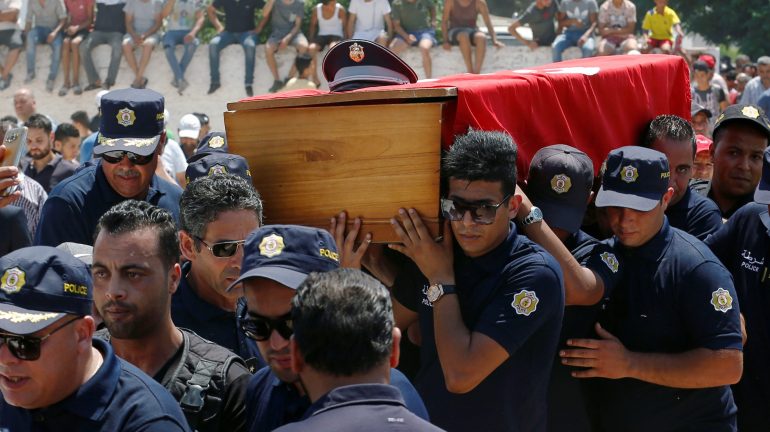
Armed terrorists attacked tourists visiting the Parliament and the Bardo Museum in Tunis yesterday. They killed 20 and injured more than 50 before being neutralized by security forces. The attack has already been claimed by Islamic State. The IEMed analyzes the impact on young Tunisian democracy, the measures to be taken in the face of jihadist terrorism and the effects on tourism, a key sector for the economy.
For Senén Florensa, executive president of the IEMed and former Spanish ambassador to Tunisia, this is a clear attack on Tunisian democracy but at the same time a direct intimidation of Western tourists that will result in an imminent weakening of the tourism business. In an article published today in El Periódico, Florensa insists on the need for intervention in Libya by Arab countries, with the support of the international community, to curb the spread of terrorism in the region, as well as political and economic aid to consolidate the fragile Tunisian democracy.
According to Lurdes Vidal, head of the Arab and Mediterranean World department at the IEMed, Tunisia is the only country where, despite the fact that religion has been the subject of negotiation and social tensions, it has ended up consolidating a consensus between Islamist and secular parties that has possibility of democracy. In an article published today in the newspaper ARA, she adds that Tunisian civil society has been personally tasked with isolating violent groups and this is what the “terrorist monster” cannot stand.
Intervention by Lurdes Vidal on Els Matins on TV3, 19/03/2015
Intervention by Lurdes Vidal on program 2324 on channel 324 of Televisió de Catalunya, 18/03/2015
Senén Florensa on El Matí on Radio 4 (20/03/2015)
Senén Florence to Radio France Internationale (19/03/2015)
Lurdes Vidal on El Matí on Catalunya Ràdio (19/03/2015) – From minute 32.16