Climate Change is arguably the greatest challenge faced by humanity. Its potentially devastating consequences pose a threat to human activities and to human life itself.
Mediterranean climate change has been observed at a magnitude exceeding global means, despite the fact that the emission of greenhouse gases (GHGs) in Mediterranean countries lies at relatively low levels.
While European Mediterranean countries are moving towards reducing the share of nuclear electricity in their energy mix, nuclear energy seems to have found new ground in the Middle East and Turkey.
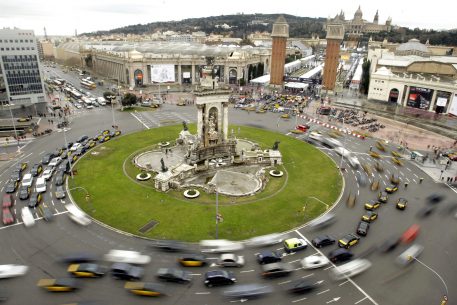
The Barcelona Process turns 25 at a time when COVID 19 is putting a strain on the responsiveness of governments, the resistance of economic systems and the resilience of populations almost all over the world.
Plastic drainage from coastal populations into the Mediterranean Sea has been estimated at approximately half a million tonnes per year, which means that it accounts for over 7% of the global load of plastic from land into the ocean.
Contes de 10 joves guanyadors del concurs literari "Un mar de paraules" 2020.
While restoring global health remains the top priority, it cannot be denied that the strict measures enforced have caused massive economic and social shocks.
The decision of Erdogan to deploy the Fatih drilling ship to perform drilling inside the undemarcated Continental Shelf of the Republic of Cyprus in May 2019 constituted a major turning point in Turkey’s strategy for the eastern Mediterranean.
Sign up for our newsletter and be up-to-date with upcoming events and latest publications.
Please, choose language:
English Spanish Catalan French
This will close in 0 seconds